
The American School Counselor Association (ASCA) encourages school counselors to teach career education. However, navigating career education with children can sometimes feel overwhelming for counselors and educators. To simplify this process, here is a selection of practical activities and valuable resources designed to support and inspire your students as they explore their career paths. Whether you need hands-on projects, engaging workshops, or insightful tools, these ideas will help guide your students on their exciting career adventures.
1. Career Events
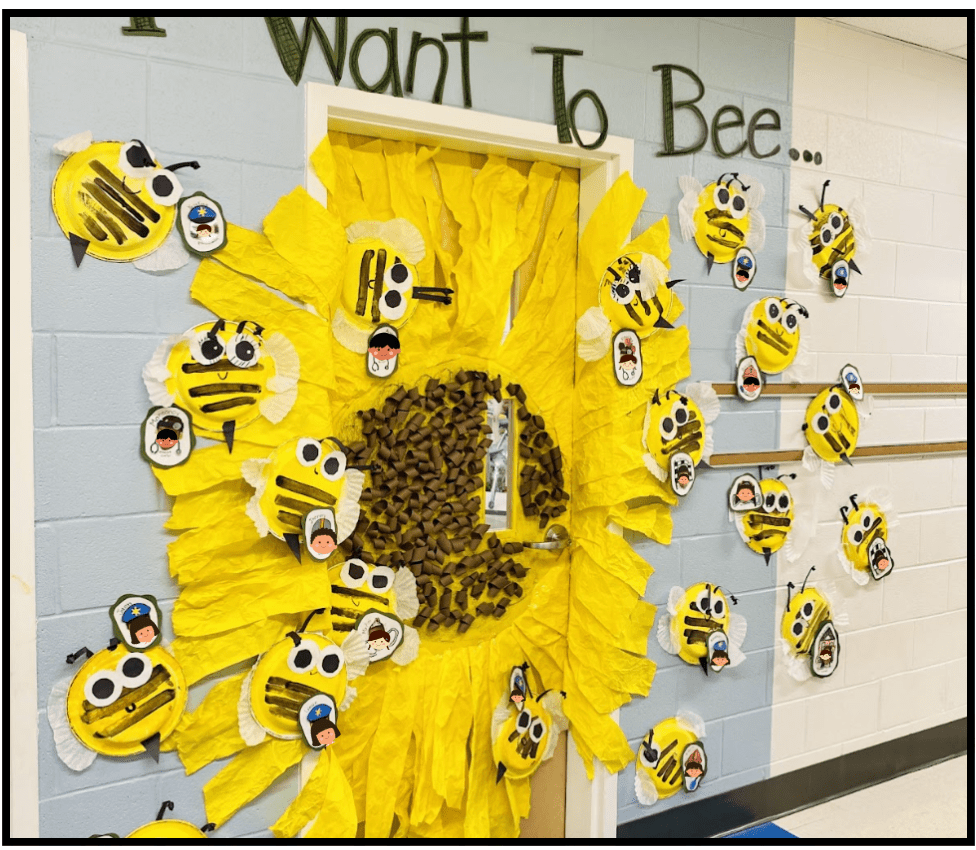
A few years ago, I helped one of my colleagues orchestrate a career week for the ages. We transformed the school into a hub of career-related information, featuring a career-themed door decorating competition, engaging career speakers, and a dynamic “wheeled” career fair.
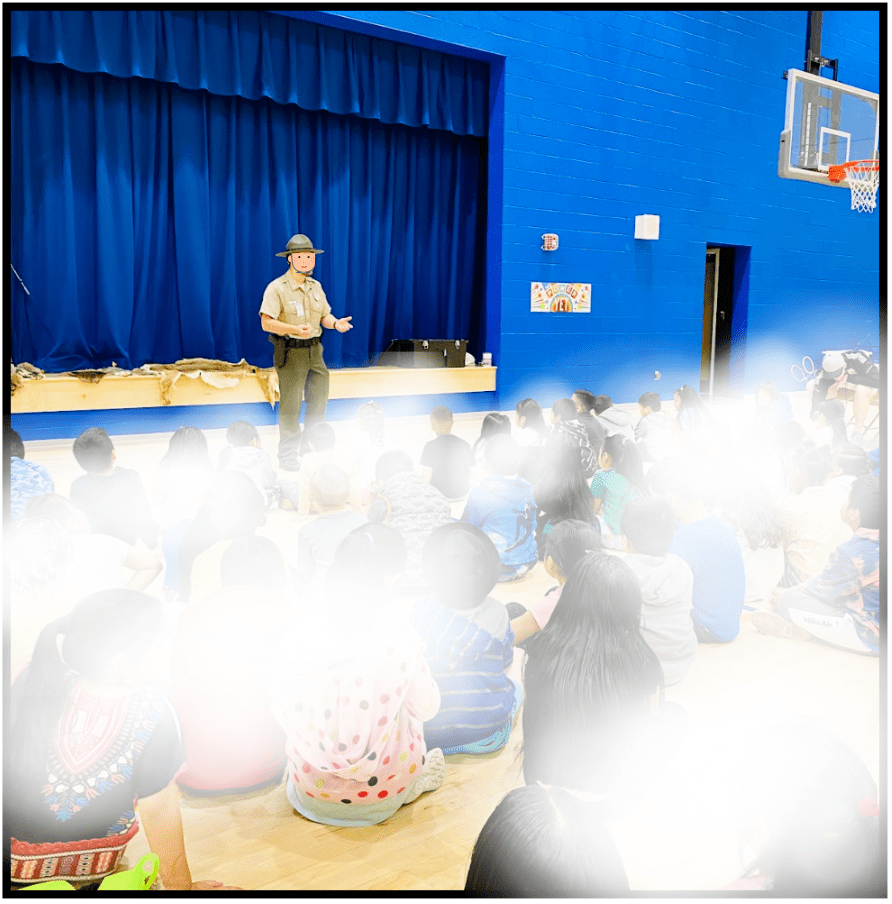
We invited a diverse array of speakers, including musicians, wildlife specialists with fascinating animal props, community leaders, and local university coaches and scientists.
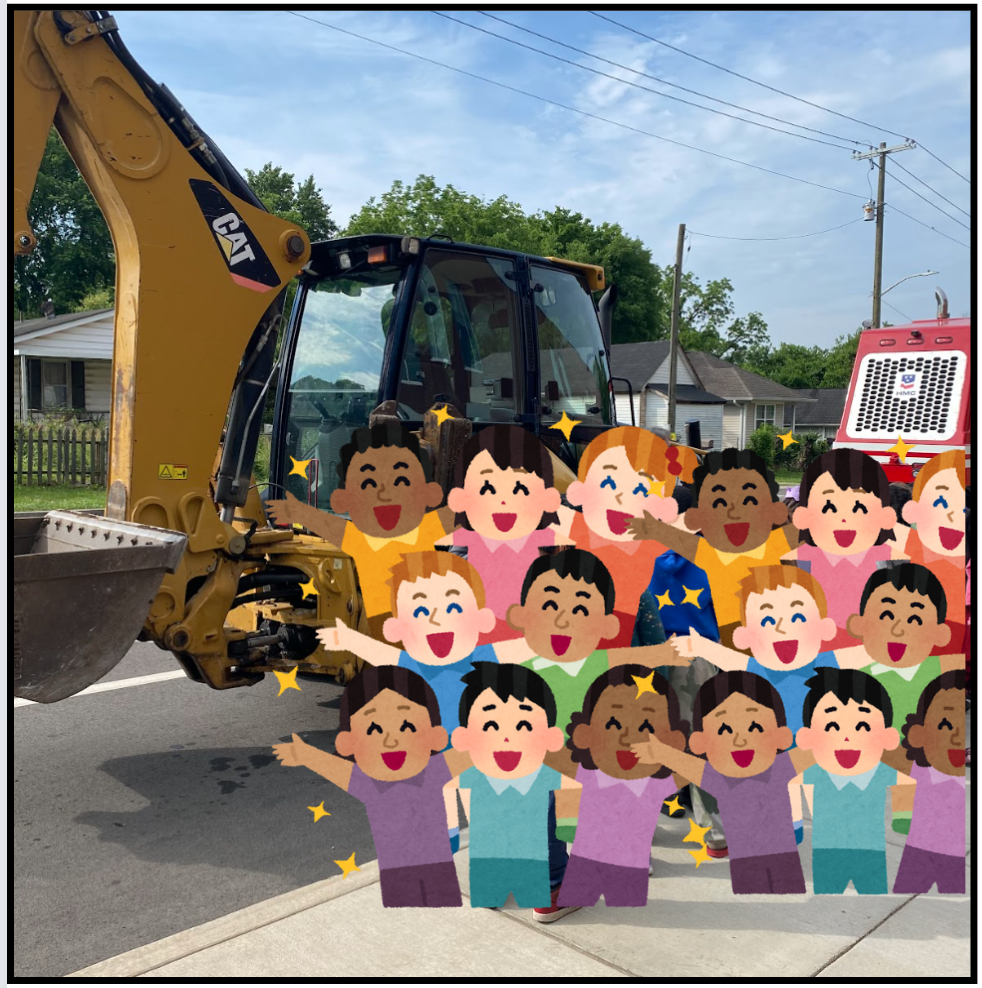
In partnership with local city officials and a few personal contacts, we arranged for an impressive variety of vehicles to line the street in front of the school. Students had the opportunity to explore these vehicles and engage with the drivers, asking questions about their careers and their lives. The children loved it! This hands-on experience gave students valuable insights and inspiration for future career paths.
2. Eye-Opening Career Exploration Exercise
Practical exercises are an effective way to illustrate the breadth of career opportunities. One such exercise I observed as a master’s student, involved a school counselor holding a mini candy bar and asking the class, “What does it take to make this?” The students then worked to identify all the jobs involved in producing that single candy bar—from the engineers who designed the cooking equipment to the chefs who created the flavor combinations to the packaging designers and truck drivers. The students listed as many jobs as possible and shared their findings with the class. They were amazed by the number of roles required to create such a small item. This exercise engaged the students and opened their eyes to the many roles needed to produce even a tiny item, demonstrating the interconnectedness of various careers.

3. Career Bingo for Young Learners
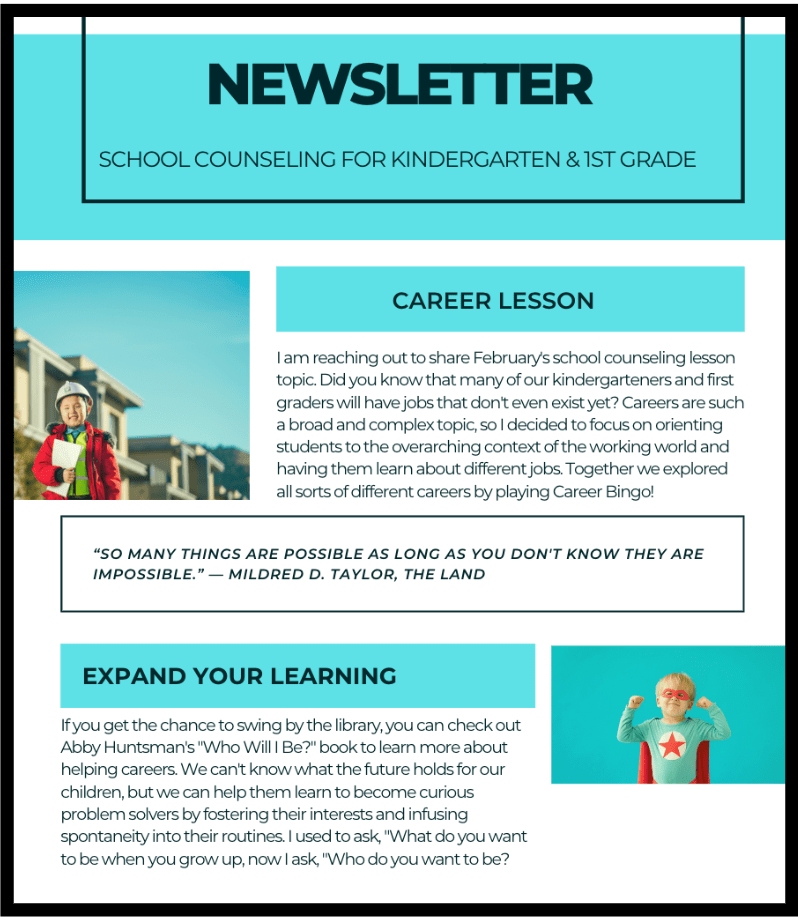
Another engaging activity is career bingo. This simple game introduces young children to various careers and helps them develop critical thinking skills as they guess the career names based on descriptions before marking them. The guessing element makes the game challenging and fosters awareness and interest in different professions. A letter home to their parents provides additional reinforcement of the children’s learning and is a great way to stay connected with children’s families.
4. Virtual Career Exploration in “Jobland”
In-person and virtual college tours are ideal for older students, but the littles can enjoy these activities, too. To enrich my students’ career exploration, I enrolled them in the interactive online career awareness program ‘Paws in Jobland.’ This dynamic platform allowed my students to virtually explore Jobland, a fictional world where they could uncover their interests and investigate various careers. The program was designed to be engaging and informative, and I was pleasantly surprised when a fifth grader shared his career aspirations with me, inspired by the career game he had played in third grade. Such interactive tours can make career exploration more accessible and ignite students’ curiosity and ambition, making it a valuable resource for any school counselor.

5. Interdisciplinary Career Activities with Art Class
Teaming up with the art teacher is a practical strategy for expanding children’s career awareness. After a career-specific lesson, art teachers can inspire children to create ‘career recipes’ that include all the necessary ingredients—skills, tools, and interests required to excel in specific careers. For instance, a doctor might need a ‘cup of kindness’ and ‘two cups of love for math.’
One of my most enjoyable collaborations with the art teacher was the ‘fortune teller’ origami finger game. Here, children wrote the names of careers that intrigued them inside folded pieces of paper and then played the game with their peers to ‘decide’ what career they might pursue. These interdisciplinary activities reinforce and integrate career concepts into students’ creative and cognitive development and foster teamwork and creativity, making them a valuable addition to any career education curriculum.

6. Books & Videos Support Career Learning with Young Children
I have always enjoyed using stories and video clips to set the agenda and context for activities with students. Here are some of my career-focused favorites:
(I make a commission for purchases made through the following links. These are all books I’ve purchased myself.)
The StoryBots: Their adorable “What to Be When You Grow Up” video is a delightful introduction to various careers.
“Fox’s Great Adventure” by Natashia Beck: This lovely story encourages young children to think about becoming rather than just doing.
“Who Will I Be?” by Abby Huntsman: This book is a class favorite, providing insights into helping professions.
“Who Do You Want to Be?” by Paula Faris (2023): This book prompts the essential question, “Who do you want to be?” rather than just “What do you want to be?”—a question I have been asking my students for years.

Your support can have a lasting impact on their career paths, helping them make informed and fulfilling decisions. By implementing career activities early, you can create an engaging and enriching experience that inspires confidence and curiosity in your students as they discover their future potential. By fostering an environment that encourages exploration and self-discovery, you are setting your students up for success on their exciting career journeys.
 THE FEELINGS LADY